When organizations invest in new IT systems, vendors often play a central role in implementation, configuration, integration, and support. During the onboarding phase, vendor consultants guide architecture decisions, customize workflows, train internal teams, and troubleshoot technical challenges. Everything appears stable while vendor involvement remains active. However, what happens after the vendor contract ends or external consultants withdraw? This transition period reveals whether the organization truly owns its technology — or merely depends on it. Systems that once appeared efficient can become fragile. Knowledge gaps emerge. Updates are delayed. Security risks increase. Innovation slows. Revenue-generating initiatives stall. The departure of a vendor is not automatically a crisis. But without internal readiness, documentation, and strategic planning, IT systems can deteriorate quickly.
Below are six critical realities organizations face when vendor support fades.
1. Knowledge Gaps Become Operational Risks
During implementation, vendors often retain deep system knowledge. They understand configuration logic, integration pathways, custom code, and underlying architecture decisions. If this expertise is not transferred properly, internal teams may lack visibility into how the system truly functions. Over time, small issues become difficult to diagnose. Error messages appear unfamiliar. Custom workflows break without clear explanation. Integration failures take longer to resolve because internal teams do not fully understand dependencies. Knowledge gaps create hesitation. IT teams may avoid making improvements for fear of disrupting unknown configurations. As a result, systems stagnate. Without detailed documentation, recorded training sessions, and structured knowledge transfer processes, vendor departure transforms minor technical adjustments into high-risk activities. Long-term system stability depends on internal ownership — not external dependency.
2. Customizations Turn Into Technical Debt
Many vendors customize systems heavily to meet immediate business requirements. Custom dashboards, automation scripts, integrations, and workflow modifications are implemented to satisfy specific needs. While customization enhances short-term usability, it can create long-term complexity. Once vendors leave, maintaining customized components becomes challenging. Internal teams may not fully understand how custom code interacts with core system architecture. When software updates are released, customized elements may conflict with new versions. Organizations then face difficult decisions: delay updates to preserve customization, or remove custom elements and disrupt operations. Over time, unsupported customization accumulates as technical debt. Systems become harder to upgrade, secure, or optimize. Standardization and minimal customization reduce dependency risk. The more heavily tailored a system is, the more vulnerable it becomes after vendor exit.
3. Security and Compliance Gaps Emerge
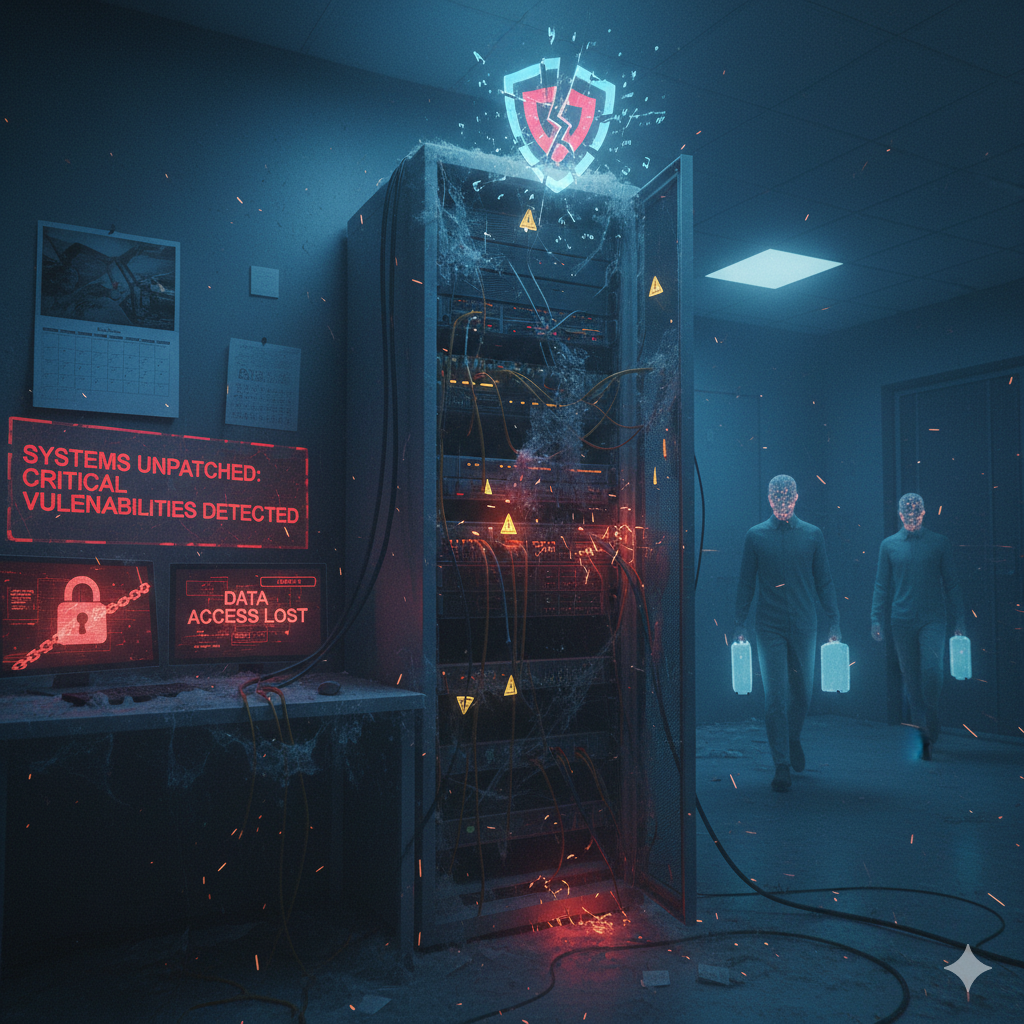
Vendors often manage security configurations, monitoring tools, and compliance requirements during active engagement. After departure, responsibility shifts entirely to internal teams. If security protocols are not clearly documented or automated, vulnerabilities may go unnoticed. Patch management schedules may slip. Access permissions may remain outdated. Audit trails may not be monitored consistently. Compliance risks increase when organizations lack clarity about system configurations. Regulatory requirements related to data protection, financial reporting, or industry standards demand continuous oversight. Without dedicated internal expertise, systems may appear stable while silently accumulating security exposure. Vendor departure should trigger security audits, access reviews, and monitoring reinforcement. Otherwise, organizations may discover weaknesses only after an incident occurs.
4. Integration Maintenance Becomes Complicated
Modern IT environments depend heavily on system integrations. Vendors often configure APIs, middleware solutions, and synchronization frameworks to ensure seamless data exchange. Once vendor oversight ends, maintaining these integrations becomes a continuous internal responsibility. Integration failures may not be immediately visible. Data sync delays, duplicate records, or incomplete transfers can disrupt operations gradually. Departments may rely on outdated information without realizing it. If third-party platforms update APIs or authentication standards, integrations may break unexpectedly. Internal teams must respond quickly without vendor guidance. Integration maintenance requires proactive monitoring and technical expertise. Without it, data fragmentation increases and operational efficiency declines. Vendor-managed integration ecosystems must be transitioned carefully to internal ownership before contracts end.
5. Innovation Slows Without External Expertise
Vendors often introduce new features, best practices, and optimization strategies during active collaboration. They bring external perspective, industry benchmarking insights, and technical specialization. After vendors leave, innovation momentum may decline. Internal IT teams may prioritize system stability over enhancement. Without exposure to evolving capabilities or industry trends, systems remain underutilized. Features remain inactive. Automation opportunities are missed. Performance optimization remains unexplored. Over time, the system continues functioning but its strategic value diminishes. Organizations must replace vendor-driven innovation with internal capability development. This may involve training programs, certification initiatives, or partnerships with advisory firms. Sustainable innovation requires continuous learning and strategic investment, not reliance on temporary external expertise.
6. Contractual and Licensing Complexities Surface
Vendor relationships often include licensing agreements, renewal clauses, support limitations, and usage restrictions. Once active engagement ends, organizations may discover constraints they previously overlooked. For example, certain features may require premium support contracts. Data export rights may be limited. Licensing tiers may restrict scalability. Renewal fees may increase unexpectedly. Without careful contract review before vendor exit, organizations may face cost increases or operational limitations. Additionally, transitioning from vendor-managed support to internal maintenance may require renegotiation of service-level agreements or software subscriptions. Understanding contractual obligations is as important as technical readiness. Financial surprises can impact IT budgets and strategic planning.
Preparing for Vendor Departure Before It Happens
The risks associated with vendor exit can be mitigated through proactive planning. Knowledge transfer sessions should be mandatory before contract completion. Detailed documentation of system architecture, integration maps, customization logic, and security configurations should be secured internally. Internal teams should receive advanced training not only user-level training, but administrative and architectural knowledge. Access credentials, vendor-managed accounts, and monitoring tools should be reviewed and transferred securely. Service continuity plans should be documented clearly, including escalation pathways and support alternatives. Vendor relationships should include exit planning clauses from the beginning of engagement, ensuring structured transition rather than abrupt withdrawal.
Conclusion
IT systems do not collapse immediately when vendors leave. Instead, they gradually reveal whether the organization truly controls its technology ecosystem. Knowledge gaps, technical debt, security exposure, integration instability, slowed innovation, and contractual surprises often surface only after external support disappears. Vendor partnerships are valuable, but dependency is risky. Long-term resilience requires internal capability development, structured documentation, proactive monitoring, and strategic ownership. Technology investments should empower organizations — not tie them permanently to external expertise. When vendors leave, the systems that thrive are those built on clarity, transparency, and internal readiness. Those that struggle are often the ones that never fully transitioned from reliance to ownership. The true test of IT maturity is not how well systems function during vendor engagement but how confidently they operate after it ends.