In competitive markets where products and prices can be easily replicated, long-term success increasingly depends on relationships rather than transactions. Businesses that focus solely on acquiring new customers often overlook the greater value of retaining and nurturing existing ones. This strategic shift from transactional selling to relationship marketing emphasizes trust, loyalty, engagement, and long-term value creation. At the centre of this transformation stands the Customer Relationship Management (CRM) system, a technological framework designed to manage interactions, track customer data, and strengthen ongoing connections. When implemented effectively, CRM systems do far more than store contact information—they become the foundation of sustainable customer relationships.
Relationship marketing is built on the idea that retaining customers is more profitable than constantly acquiring new ones. Acquiring a new customer typically involves advertising costs, promotional discounts, and significant outreach efforts. In contrast, loyal customers often require less persuasion and are more likely to engage in repeat purchases, provide referrals, and advocate for the brand. A CRM system enables businesses to systematically nurture these long-term connections by organizing data, monitoring engagement patterns, and personalizing communication strategies.
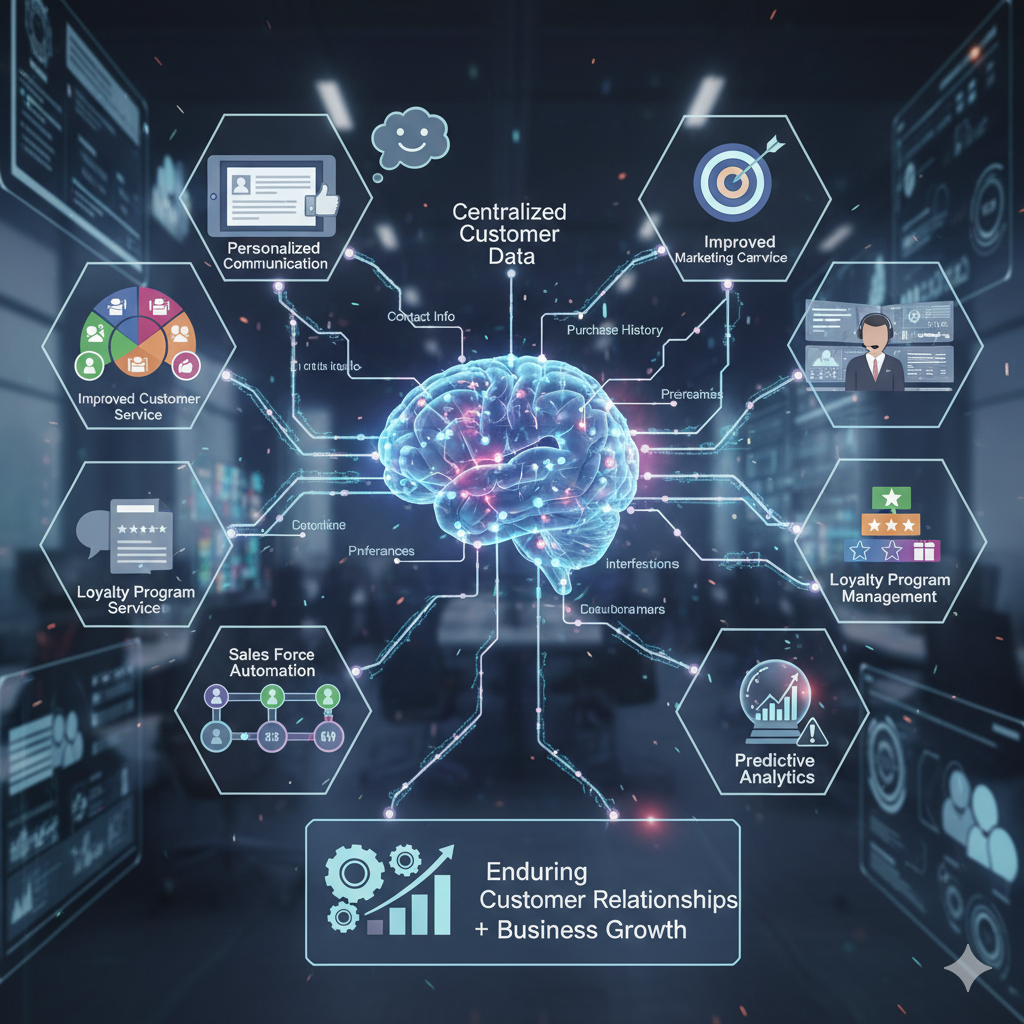
One of the most significant ways CRM systems support relationship marketing is through centralized customer data management. In many organizations, customer information is scattered across departments sales records in one system, marketing data in another, service interactions in separate platforms. This fragmentation prevents a unified understanding of the customer journey. A CRM integrates these touchpoints into a single database, providing a comprehensive view of interactions, purchase history, preferences, and service requests. With this consolidated insight, businesses can tailor their approach to each individual rather than treating customers as anonymous transactions.
Personalization is a cornerstone of effective relationship marketing. Customers expect brands to recognize their preferences and anticipate their needs. CRM systems enable personalized communication by tracking past purchases, browsing behaviour, and engagement history. For example, a business can send targeted product recommendations, timely follow-ups, or customized offers based on previous interactions. This personalized approach strengthens emotional connection and increases the likelihood of repeat business. Rather than sending generic messages, companies engage customers in meaningful, relevant conversations.
Another key benefit lies in improving customer retention strategies. CRM platforms track engagement metrics such as frequency of purchase, response to campaigns, and service inquiries. By analysing this data, businesses can identify early warning signs of churn. If a previously active customer shows declining interaction, the system can trigger retention campaigns or proactive outreach. Addressing potential dissatisfaction before it escalates reinforces loyalty and reduces attrition. Relationship marketing thrives on consistency, and CRM systems ensure that no customer is overlooked.
CRM systems also enhance collaboration between departments. In relationship marketing, alignment between sales, marketing, and customer support teams is critical. When departments operate in isolation, communication gaps can damage trust. A CRM creates a shared environment where all teams access the same information. Sales representatives can view marketing interactions, service agents can understand purchase history, and marketing teams can analyse feedback from support conversations. This integrated approach ensures consistent messaging and coordinated efforts, reinforcing the customer’s perception of reliability.
Automation further strengthens relationship marketing initiatives. Through marketing automation, CRM systems schedule follow-ups, segment audiences, and trigger workflows based on predefined conditions. For instance, after a purchase, the system may automatically send a thank-you message, request feedback, and recommend complementary products. These automated processes maintain engagement without overwhelming staff resources. By combining efficiency with personalization, automation supports scalable relationship-building.
Trust and transparency are central to long-term relationships. CRM systems record all interactions, ensuring that communication is documented and accessible. This transparency reduces misunderstandings and improves accountability. When customers reach out for assistance, representatives can quickly review past interactions and provide informed responses. Prompt, informed service builds confidence and reinforces brand credibility.
Data-driven insight is another critical advantage. Relationship marketing relies on understanding customer behaviour patterns and preferences. CRM systems generate analytical reports that reveal trends in purchasing frequency, product preferences, and campaign effectiveness. By analysing these insights, businesses refine strategies to align more closely with customer expectations. The ability to measure customer lifetime value (CLV) helps organizations prioritize high-value relationships and allocate resources effectively.
CRM systems also support loyalty programs, which are integral to relationship marketing. By tracking reward points, redemption history, and engagement frequency, businesses can design incentive structures that encourage repeat purchases. Loyalty initiatives become more effective when informed by accurate data rather than assumptions. This targeted approach increases retention while preserving profitability.
Feedback management is another area where CRM systems contribute significantly. Relationship marketing requires listening as much as communicating. CRM platforms capture customer feedback through surveys, service tickets, and direct communication. Analyzing this feedback reveals pain points and improvement opportunities. Acting on feedback demonstrates responsiveness, strengthening emotional bonds and long-term trust.
In digital environments, CRM systems integrate with social media platforms, email marketing tools, and e-commerce systems. This integration ensures that online interactions are incorporated into the broader relationship framework. When a customer engages with content on social media or opens promotional emails, the CRM records these touchpoints. Such visibility enables holistic engagement strategies rather than isolated campaigns.
Scalability is another advantage. As businesses grow, maintaining personal relationships becomes more complex. CRM systems provide structure and consistency, ensuring that quality does not decline with expansion. Standardized processes, automated reminders, and structured data management enable organizations to maintain personalized relationships even as customer bases increase.
The strategic importance of CRM extends beyond operational efficiency. It supports long-term brand loyalty by fostering consistent, meaningful interactions. In relationship marketing, every interaction contributes to perception. Delayed responses, irrelevant messaging, or inconsistent service can weaken trust. CRM systems minimize these risks by ensuring timely communication and contextual awareness.
Furthermore, CRM systems facilitate proactive engagement rather than reactive responses. By analyzing predictive indicators, businesses can anticipate customer needs and offer solutions before issues arise. Predictive analytics within CRM platforms help identify cross-selling and upselling opportunities aligned with customer interests. This proactive approach deepens relationships and increases value without appearing intrusive.
From a financial perspective, relationship marketing supported by CRM systems improves profitability. Retained customers typically spend more over time and require lower acquisition costs. By optimizing engagement strategies and reducing churn, CRM-driven initiatives contribute directly to sustainable growth. Businesses move from short-term transactional gains to long-term revenue stability.
In competitive industries, differentiation often depends on customer experience rather than product features. CRM systems empower organizations to deliver consistent, personalized experiences that foster emotional connection. When customers feel understood and valued, they are less sensitive to price fluctuations and more likely to advocate for the brand.
Ultimately, CRM systems function as the technological backbone of relationship marketing. They transform fragmented interactions into structured engagement strategies. They enable personalization at scale, enhance collaboration across teams, and provide analytical clarity. By integrating data management, automation, and customer insight, CRM systems elevate marketing from one-time campaigns to enduring relationships.
In conclusion, CRM systems are not merely administrative tools; they are strategic assets that strengthen relationship marketing. By centralizing data, enabling personalization, supporting retention, and fostering cross-functional alignment, CRM platforms create the infrastructure necessary for long-term customer loyalty. In an era where trust and experience define competitive advantage, leveraging CRM technology ensures that relationships remain at the core of business growth.